
Rogue Blight Status Effects
All ten named statuses, how they fit dual-wield builds, and the fact that bosses can be afflicted.
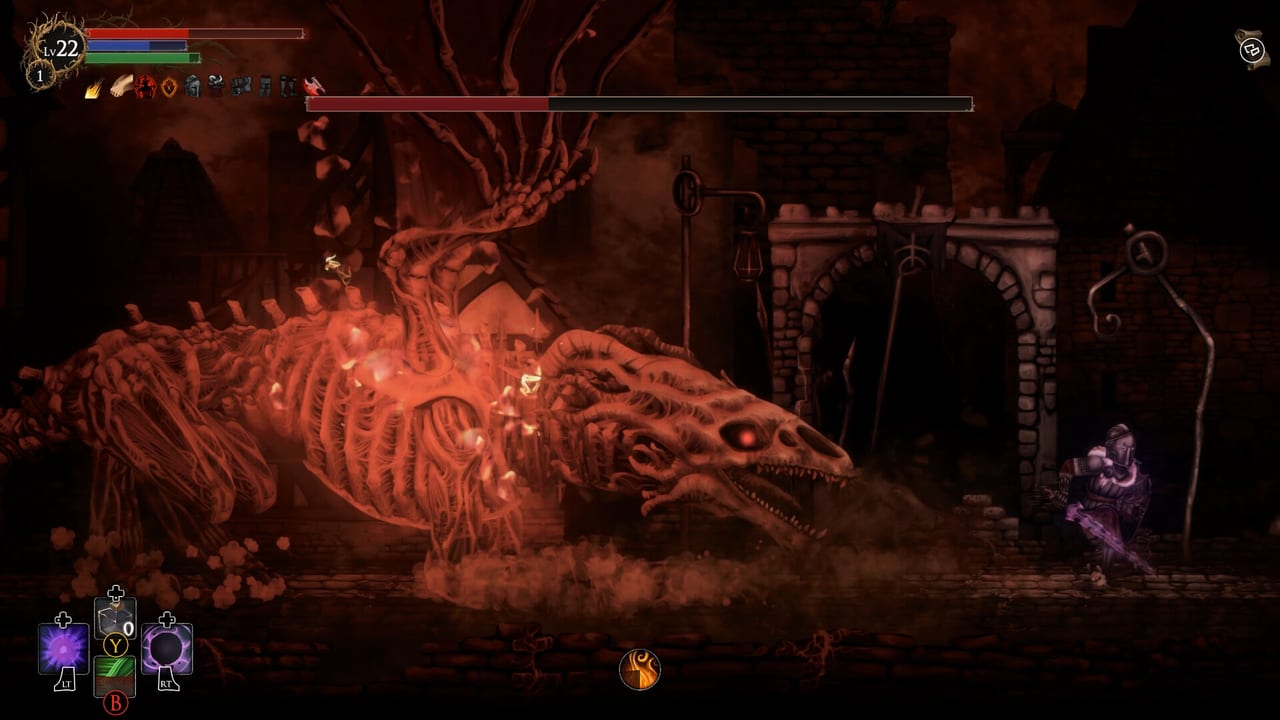
Steam’s character-progression blurb is the whole official list: you can apply Bleed, Poison, Burn, Freeze, Shock, Choke, Shatter, Life Splash, Darkness, or Light Struck on any enemy, including bosses. That sentence is the floor this page stands on. CodeRadGames has not published a public spreadsheet of tick rates, durations, or caps for the 3 September 2026 launch. This tool therefore explains what each name is for, how it fits a launch-week build, and where dual-wield’s apply-rate penalty matters. It does not invent damage-per-second.
Public footage of the captain and of live combat is the second source. Status appears to build up additively toward 100%, then apply. One on-camera example was a weapon that applied 25% status per hit, four hits to a full bar. Same-type dual-wield (two swords, two daggers, two wands) reduces status apply rate by 40% while both weapons attack together. Mixed hands keep full apply rate and swing one skill at a time. That single rule decides more loadouts than any guessed DoT number.
Pair this page with the combat guide for stamina and tells, the blessings tier list for crit / apply-rate relics, and the bosses guide for which chapter fights last long enough to stack a bar.
Shared rules
- Bosses can be afflicted. Do not treat statuses as trash-only.
- Buildup first, effect second. Fast hits (daggers) fill bars; slow hits need high apply % or mixed stance.
- One or two statuses per run. Ten names does not mean ten bars on one character. Shop and chest luck will not support it.
- New Game+ raises enemy status apply rate as well as damage, speed, health, and size. You stack faster and get stacked faster.
- Blessings that say “applying statuses is more effective” (footage) are aimed at this system. Blessings that cut all damage in exchange are for Dexterity crit builds, not slow Strength bricks.
The ten statuses
Bleed
For: damage-over-time after slashing contact. The default dagger and many sword plans. Build fit: dual daggers (S on the builds list) because hit count fights the 40% dual-wield apply cut. Mixed sword plus dagger also works if you want full apply rate. Bosses: useful on long health bars where you cannot stay in melee the entire phase. Apply, disengage, re-enter.
Poison
For: a second lingering DoT, usually slower or longer-feeling than Bleed by genre convention — confirm on the tooltip. Build fit: stack with Bleed on daggers, or run Poison alone if that is the weapon that dropped. Do not split Poison onto a wand and Bleed onto a sword unless both tools actually apply fast enough. Bosses: good on fights you kite. Worse if the boss dies in two unique skills anyway.
Burn
For: fire damage-over-time. Footage names Fire Sword and Fire Wand as carriers. Build fit: dual fire wands if mana holds; Fire Sword in a dual-sword or mixed pair if you are melee. Intelligence helps wand Burn; Strength still matters on the sword swing that applies it. Bosses: excellent when you can stand in a lane. Dual-wand Burn is the “machine gun” clip from public play — until potions run out.
Freeze
For: control. A frozen enemy is a missed combo, a statue window, or a setup for Shatter. Build fit: wands first, mixed wand plus melee second. Dual melee Freeze is possible if a sword skill says so, but casters get more time to land the next bar. Bosses: more valuable than a small DoT on slam-heavy fights. If the tooltip says bosses resist or shorten Freeze, believe the tooltip over this sentence.
Shock
For: interrupt / stagger pressure, the “stop the animation” status in this ten-name list. Build fit: anyone who loses to long enemy strings — sword-and-shield learners included. Daggers apply it faster; wands apply it safer. Bosses: use it to clip a tell you cannot yet dodge, not as your only damage. New Game+ speed makes Shock more precious.
Choke
For: pressure that is not a simple DoT. The name suggests anti-heal, silence, or a choke-hold style lock. We do not have a public official definition beyond the name. Read the weapon skill. Build fit: treat it as a control/status hybrid until you see numbers. If it needs many hits, daggers. If it is a skill shot, wand or unique sword art. Bosses: if it suppresses healing or skills, save it for the chapter boss, not the first enemy node.
Shatter
For: burst after a setup, often after Freeze or after breaking a stance — again, tooltip first. Build fit: the classic pairing is Freeze wand plus a Shatter melee, which is a mixed-hand plan (full apply rate). Dual-wield same-type makes the setup slower because of the 40% cut. Bosses: a Shatter window is a unique-skill dump, not a time to greed extra hits.
Life Splash
For: sustain. The name reads as a heal (or ally-unrelated splash heal) on application or on hit. This is a single-player game, so the splash is for you, possibly with an area component. Build fit: sword-and-shield and any melee that already gets clipped. Dual wands that never get hit would rather take Burn. Bosses: a Life Splash bar can replace a potion if the fight is long and you are landing hits. It does not replace Second Life.
Darkness
For: a fight-long debuff — accuracy, defense, or “blighted” pressure. Build fit: apply once, then swap to a damage status if the weapon allows. Slow swords can still be good Darkness tools if the apply % on the unique skill is high. Bosses: open with Darkness, then Bleed or Burn for the rest of the health bar. New Game+ enemy apply rate means they may Darkness you more often; blessings that keep you above 70% HP matter.
Light Struck
For: the opposite color of Darkness — burst, reveal, or extra damage into blighted targets. Soundtrack and boss names lean on “Lady of Blight” / “Final Blight,” so Light Struck is a reasonable anti-blight tool, but do not assume a hidden multiplier we have not seen. Build fit: wands and unique sword skills. Bosses: worth slotting for Blight Castle and the named blight bosses if the tooltip agrees.
Build recipes that actually work
- Dual daggers: Bleed + Poison, or Bleed + Shock. Take consecutive-hit and crit/status blessings.
- Sword and shield: Shock or Life Splash as the “I got hit” status; do not drop the shield for a third DoT.
- Dual swords: Burn if a Fire Sword drops; otherwise one control status on a unique skill is enough.
- Wand caster: Burn, Freeze, or Light Struck. Mana potions are part of the status kit.
- Status stacker: two names maximum. Mixed hands if apply rate is the bottleneck; dual daggers if hit count is the bottleneck.
Enemy nodes are for testing a bar. Unknown events might apply a curse to you — the official challenge-mode pitch included environmental modifiers. Shop weapons that add a tenth status are usually a trap; buy the weapon that deepens the two you already run.
When a boss node is next, start the bar on the walk-in, not after you have already spent both unique skills. Status is extra damage and extra control on a fight Steam explicitly allowed you to debuff. If the bar is not moving, you are in the wrong stance or the wrong family — swap, smelt, or path to a shop, then come back to this list only to confirm the name still means what you think it means.
Frequently Asked Questions
Quick answers to the most common questions.
Can statuses affect bosses?
Yes. Steam states you can apply these effects on any enemy, including bosses. Open with a bar, then spend unique skills during the punished window. See bosses.
Why does dual-wield feel worse at applying status?
Same-type dual-wield cuts status apply rate by 40% (in-game captain dialogue in public footage). Dual daggers recover with hit count. Mixed hands keep full apply rate. Stance rules are in combat.
Do you have exact tick rates for Bleed or Burn?
No. Those numbers are not in a public official table at launch. This page ranks roles and build fit. Trust the in-game tooltip over any wiki guess.
Which status should a new player learn first?
Bleed on a dagger or Burn on a fire weapon. They are the footage-visible DoTs. Freeze and Shock are the first control statuses to add. Blessings that mention apply rate are listed on blessings.
Does New Game+ change statuses?
The ten names stay. Enemy status apply rate increases along with damage, speed, health, and size. You stack faster and get stacked faster.
Should I try to run all ten in one build?
No. Pick one or two. Shop luck and unique skills will not support ten bars. The builds tier list has a status-stacker archetype for the focused version.